Empowering Patients: Navigating Cancer Care with Awareness and Support
Navigating through the complex world of oncology can feel like traversing a labyrinth, with each turn revealing new challenges and opportunities for growth. Tumor awareness is about more than just understanding the medical jargon; it's about empowering patients to take charge of their journey. Imagine for a moment that you are at the center of this journey, equipped with the knowledge and support resources you need to advocate for your health. Wouldn't that feel like a superpower, especially when facing a malignancy?
As we peel back the layers of cancer care, it's essential to talk about patient education. Knowledge truly is power in healthcare; when patients understand their diagnosis and treatment options, such as chemotherapy, radiation therapy, and even alternative medicine, they become active participants in their care. So ask yourself: how well do you comprehend your treatment plan, and what questions do you have? Seeking clarity not only helps reduce anxiety but also fosters a stronger relationship with your medical team, enriching your overall cancer experience.
Cancer awareness doesn't end with understanding treatment options. Palliative care, for instance, plays a vital role in enhancing the quality of life for those battling tumors. It’s not merely about managing pain or symptoms; it's a holistic approach that considers the emotional, mental, and spiritual aspects of well-being. Furthermore, support groups offer an invaluable connection to others who share similar experiences, providing a platform for discussing survivorship and coping strategies. Have you considered joining a local group or an online community to exchange stories and resources?
Engagement with cancer resources can also extend into the realm of lifestyle changes and mental health. Integrating nutrition for cancer patients into daily life or exploring immune therapy options can significantly impact one's overall health. Consider this: could a simple shift in diet alongside conventional treatments bolster your strength? And let’s not forget the power of advocacy—by participating in fundraising efforts or research studies, patients can contribute to a greater understanding of cancer and its prevention, paving the way for future generations.
Lastly, it's crucial to acknowledge the role of caregivers in the cancer journey. They often provide the bedrock of support, and their own mental health and well-being should not be overlooked. How do you ensure that everyone involved in this journey is receiving the care they deserve? By fostering community engagement and sharing survivor stories, we can collectively create a more informed and compassionate environment for both patients and caregivers. Together, through awareness and support, we can navigate the complexities of cancer care with courage and resilience.
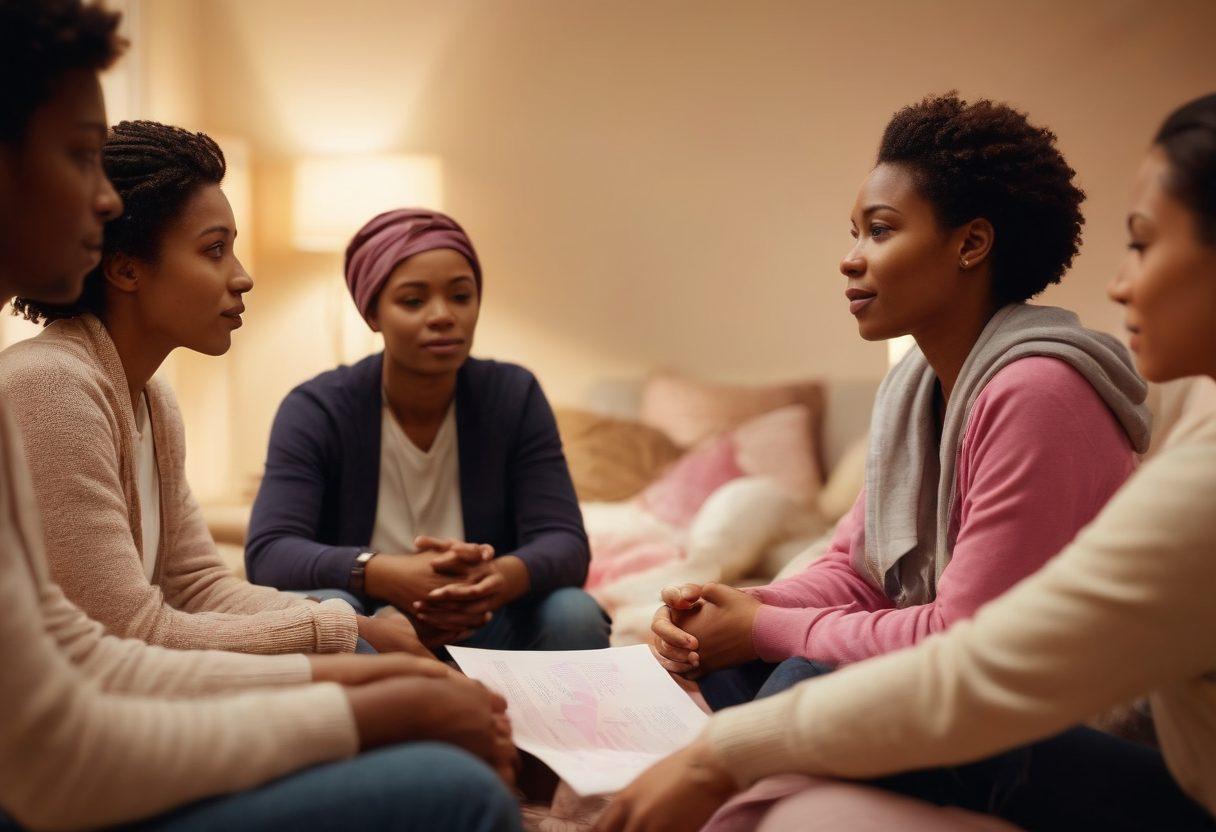
Strength in Unity: The Role of Support Groups in Cancer Care Journeys
In the face of a cancer diagnosis, the journey can often feel like an overwhelming wave crashing down upon you. Between oncology appointments, discussions about treatment options like chemotherapy and radiation therapy, and managing the emotions that come with malignancy, life can quickly become chaotic. However, amid the storm, there's one vital source of hope and strength that often goes unnoticed: support groups. These groups not only provide emotional sustenance but also empower individuals by fostering a sense of community where shared experiences can lead to healing. After all, isn't it often through unity that we find the strength to navigate our toughest challenges?
Support groups serve as a beacon of light for many patients and caregivers. Imagine walking into a room, or logging into a virtual meeting, filled with individuals who truly understand what you're going through. As you share your survivor stories with others who are facing similar battles, you realize that you're not alone— that camaraderie fosters an atmosphere of compassion. Quotes like "When we share our stories, we make a difference" resonate deeply in these circles. It's within these connections that cancer awareness flourishes, allowing individuals to explore various cancer resources, from patient education about alternative medicine to lifestyle changes that may enhance well-being.
The role of support groups transcends emotional support; they can also be a critical source of vital information. In these settings, members often share insights on navigating clinical trials, discuss the latest cancer news, and even delve into about nutrition for cancer patients. The knowledge exchanged can empower patients to make informed decisions related to palliative care options or take proactive steps through preventive measures, ensuring they remain active participants in their treatment journeys. So, how can these groups aid caregivers who often serve as primary sources of support themselves?
Caregiver support is another crucial element in the cancer care equation. Caregivers often juggle numerous responsibilities while ensuring their loved ones receive the best possible care. By joining support groups designed for both patients and caregivers, they can find solace in shared experiences and learn valuable strategies for coping with the emotional and physical toll of caregiving. In a world where traction is gained through community engagement and philanthropy, connecting with others who understand both the joys and struggles can lead to improved mental health and wellness for everyone involved.
In the end, the journey through cancer is undeniably challenging, but the strength found in unity through support groups cannot be overstated. It’s where individuals find hope, resilience, and a fighting spirit that transcends their individual struggles. Those who are facing the daunting road ahead must recognize that they are part of a larger tapestry of human experience— a community thriving in shared resilience with unwavering support. Engaging with these groups is not just a suggestion; it's a proactive step towards enriching your survivorship and embracing both victories and challenges together. After all, in the fight against cancer, together we can foster hope and ignite change!
From Nutrition to Research: Holistic Approaches to Navigating Cancer Treatment
Navigating the maze of cancer treatment can feel like an insurmountable task for patients and their families. With a plethora of information bombarding us from every angle—oncology, tumor types, malignancies, and so much more—it’s easy to become overwhelmed. But fear not! This guide will illuminate the path for those who are ready to embark on their cancer journey with awareness and support. After all, as one survivor beautifully stated, 'Awareness is the first step to empowerment.' Perhaps the question for all of us is: how can we turn this awareness into a powerful ally in the fight against cancer?
Nutrition isn’t just a support system; it’s a cornerstone of treatment. The right diet can play a significant role in helping patients endure the rigors of chemotherapy, radiation therapy, and immune therapy. For those navigating this journey, it's crucial to explore 'nutrition for cancer patients'—fruits, vegetables, whole grains, and lean proteins can serve as both fuel and medicine. There’s a wealth of resources out there, but where does one start? Take a moment to evaluate your plate and ask yourself, 'Is my food nurturing my body and spirit during this challenging time?'
Mental health is equally as important as physical well-being during cancer treatment. Engaging in support groups can provide immense relief, offering a space to share survivor stories and personal experiences. These interactions not only build community engagement but bolster patient education, equipping individuals with the knowledge they need to make informed choices. What if that small act of joining a local or online support group could ease your burden? The connection to others who understand can often bring light where darkness seems to loom.
Holistic approaches to cancer care emphasize the importance of treating the whole person. From alternative medicine techniques to lifestyle changes and preventive measures, this perspective fosters a balanced approach that nurtures both body and soul. Evidence from research studies and clinical trials suggests that integrating these methods can lead to improved outcomes and enhanced survivorship. But how do we advocate for ourselves and explore these options? It starts with asking our healthcare providers about palliative care, complementary therapies, and what cancer resources are available at our fingertips.
The journey through cancer is never truly solitary; it takes a village. The power of philanthropy, fundraising, and cancer advocacy cannot be underestimated. As we heal, sharing our experiences and knowledge with others facing similar battles becomes a beacon of hope. Engaging in community initiatives not only helps those currently fighting the good fight, but it also fosters disease prevention for future generations. How can each of us contribute to this greater cause? Perhaps through volunteer work, or simply by sharing cancer news with friends and family, we can help ensure that no one walks this tumultuous path alone.